
Wind and solar resource measurement
Met masts up to 140 m, fitted with the instruments, power and telemetry your adviser specifies, then maintained for the life of the campaign.
Scope
What we do
- Met mast supply and installationGuyed and self-supporting masts up to 140 m.
- Civil worksFoundations, guy anchors, fencing and associated works.
- Wind and solar instrumentsSupply and installation of the instrument set your adviser specifies.
- Power, logging and telemetryData loggers, solar power, cellular or satellite telemetry.
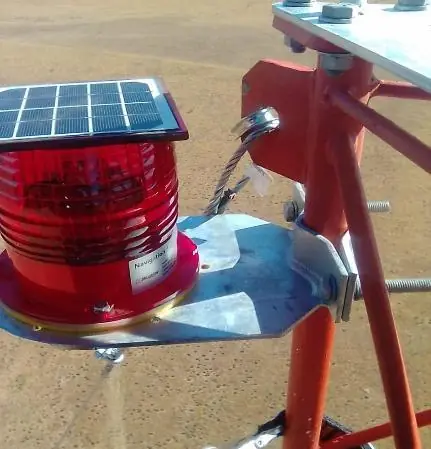
- Aviation marking and lightingRed and white marking and obstruction lights where required.
- MaintenanceSix-monthly or annual visits and fault callouts.
- Audits and refurbishmentInspection, refurbishment and redeployment of existing masts.
- DecommissioningRemoval of masts and instruments, and site rehabilitation.
Delivery
How it is delivered
Objectives
Heights, instruments and adviser requirements.
Site and permissions
Location, access, landowner and aviation approvals.
Foundations and erection
Civil works, anchors and mast erection.
Instruments
Installation and commissioning of sensors and loggers.
Monitor and maintain
Routine visits, callouts and records.
Structures
The masts we install
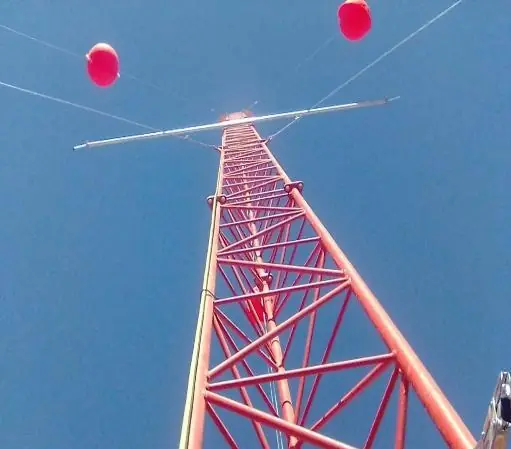
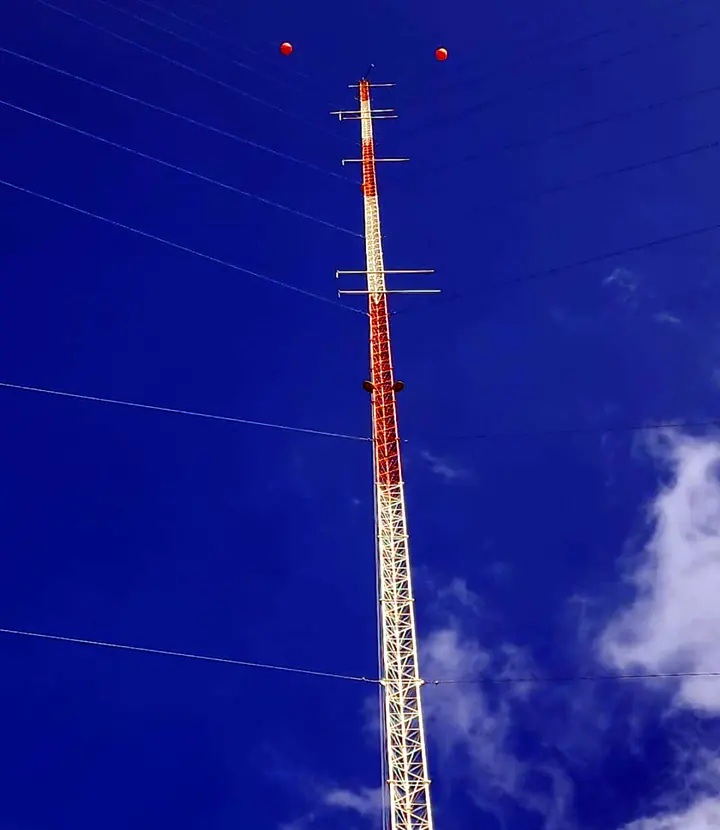
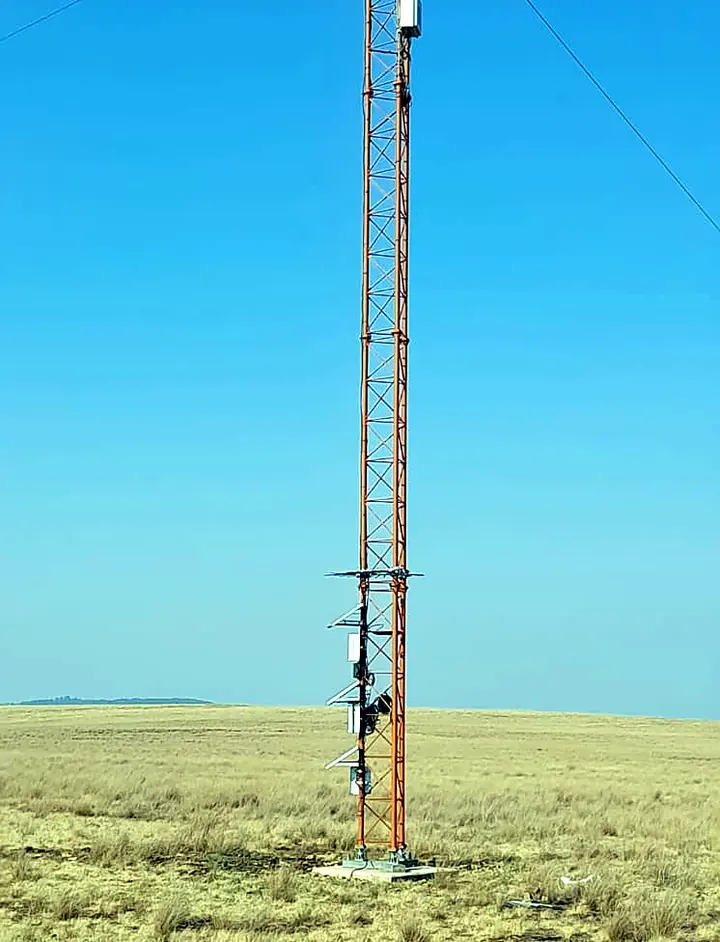
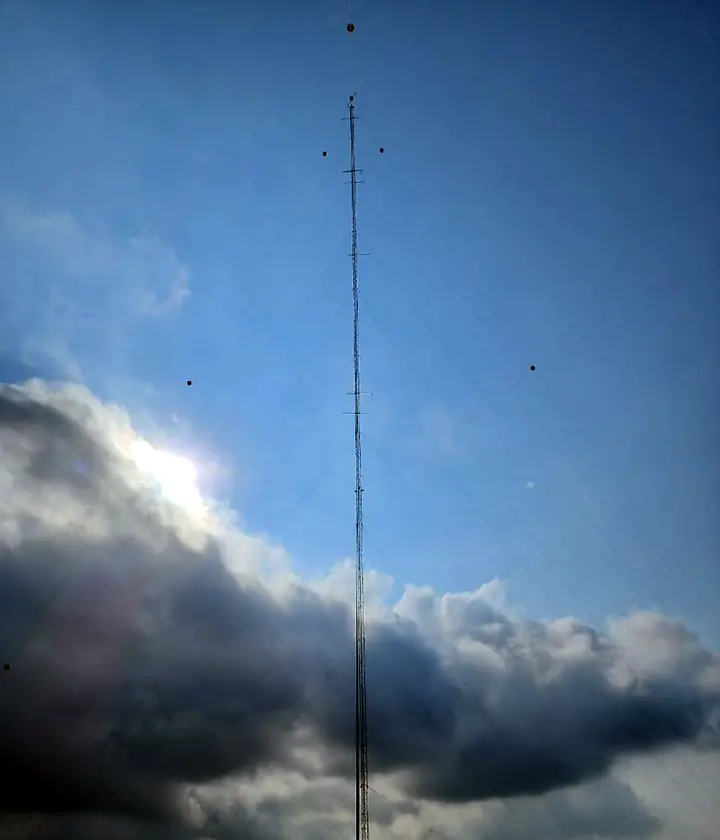
We install guyed and self-supporting met masts up to 140 m. Recent installations have been 117 m and 120 m guyed masts with full instrumentation.
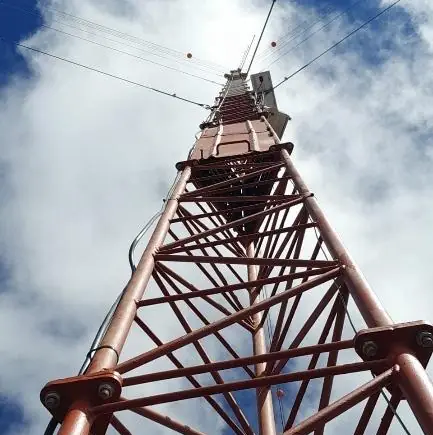
- Guyed latticeThree-legged tubular lattice built from hot-dip galvanised sections bolted together, held vertical by guy wires to ground anchors at several levels. The usual choice for tall measurement masts.
- Self-supportingFree-standing lattice on a larger foundation, with no guy wires. Used where there is no room for guy anchors.
- HeightUp to 140 m, depending on design and site.
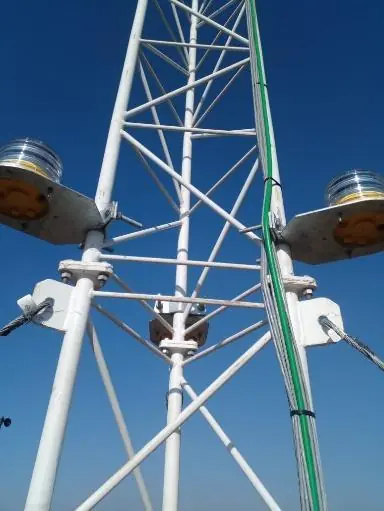
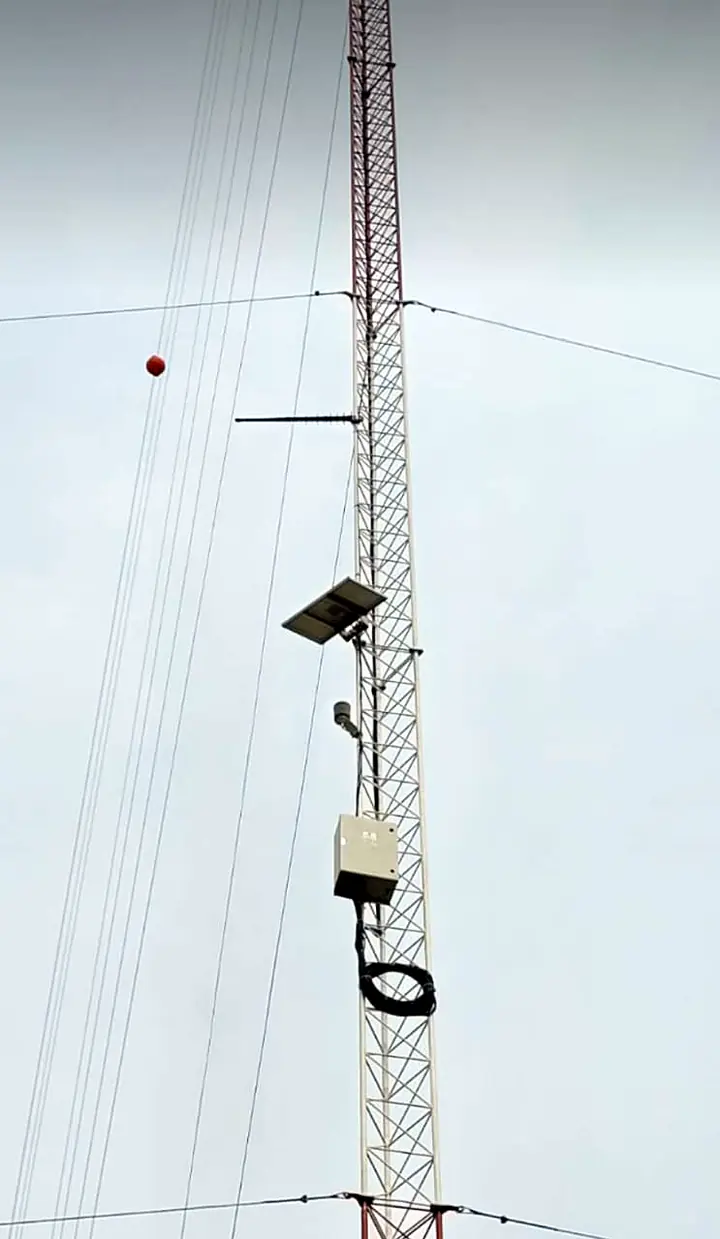
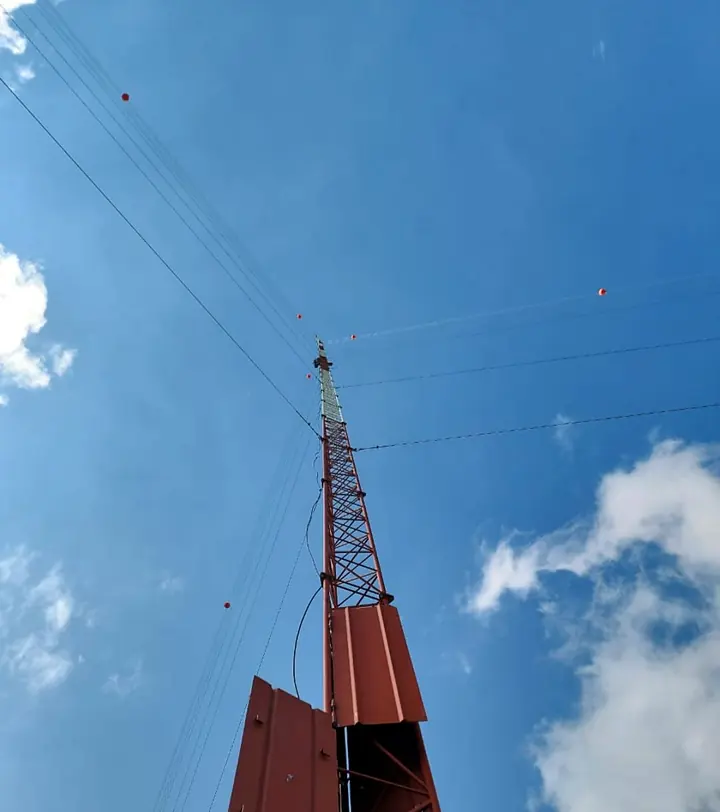
- MarkingGalvanised, or painted in red and white bands with solar-powered aviation obstruction lights where required.
- IndependentAs an independent installer we can install masts and instruments supplied by others, as well as supply them.
Instrumentation
What goes on a measurement mast
The exact instrument set is agreed with your resource adviser. A typical wind measurement mast carries:
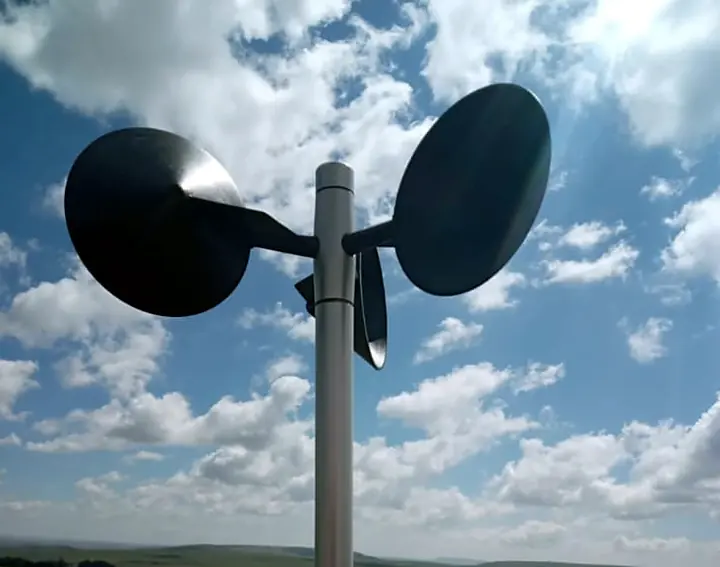
- Cup anemometers at several heights, including near the top, for wind speed and shear
- Wind vanes for direction
- Temperature, relative humidity and barometric pressure sensors
- Pyranometers for solar irradiance on solar or hybrid campaigns
- Booms set at lengths and orientations that limit the mast's effect on readings
- A data logger with cellular or satellite telemetry
- Solar panel and battery power supply
- Lightning protection and earthing
- Aviation obstruction lighting where required
Advisers commonly reference the IEC 61400-50 series and MEASNET guidance when specifying instruments and boom layouts.
On site
A 120 m installation, step by step
 Step 01
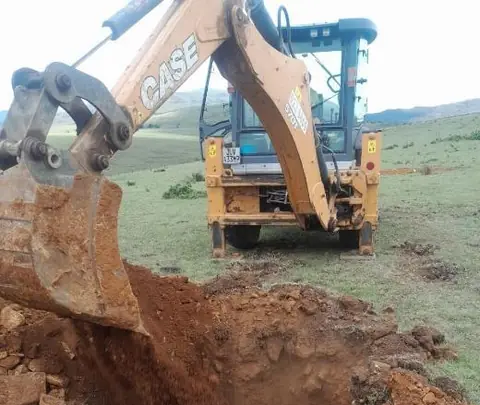
Set-out and excavation
The mast base and guy anchor positions are set out and excavated.
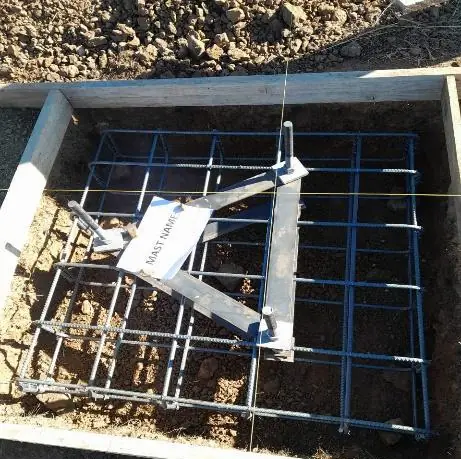 Step 02
Reinforced foundations
Reinforcement and base fittings are placed and the foundations cast.
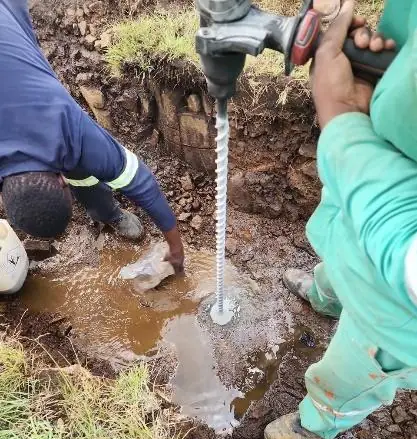 Step 03
Guy anchors
Anchors are installed at the design radii for each guy level.
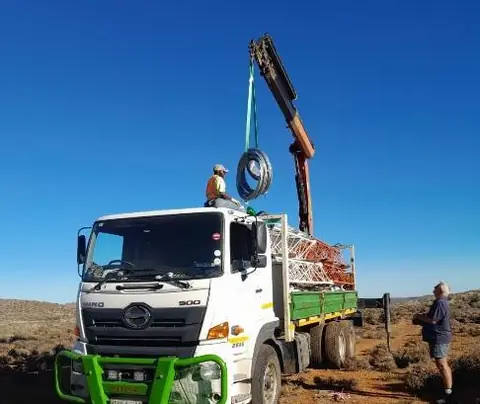 Step 04
Delivery and offloading
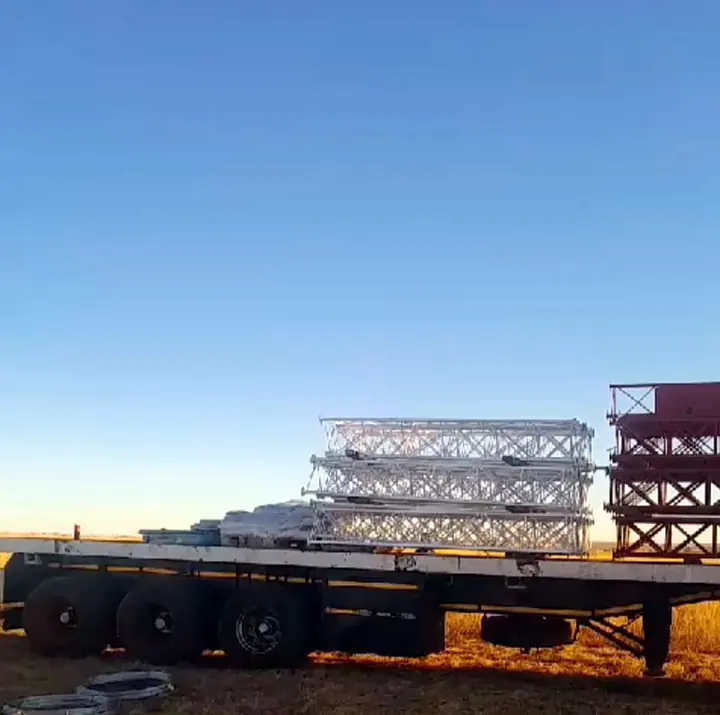
Sections, guys and fittings arrive on site and are offloaded by crane.
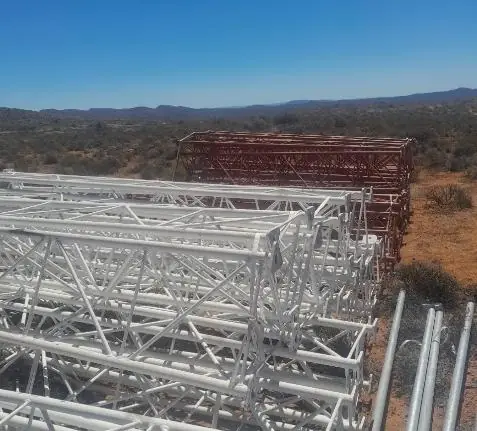 Step 05
Section assembly
Galvanised sections are laid out and prepared for erection.
 Step 06
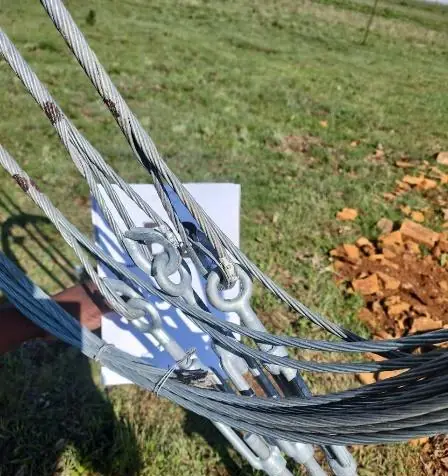
Erection and guying
Sections are lifted in sequence and the guys connected and tensioned.
 Step 07
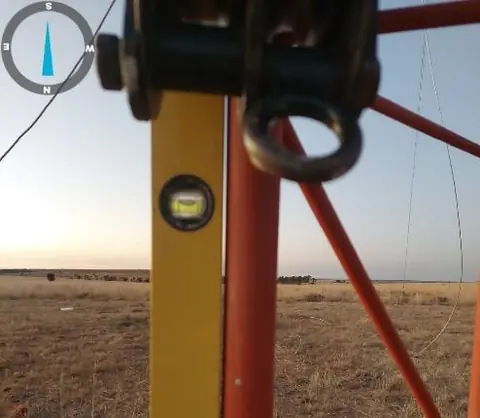
Verticality checks
The mast is plumbed and guy tensions adjusted to tolerance.
 Step 08
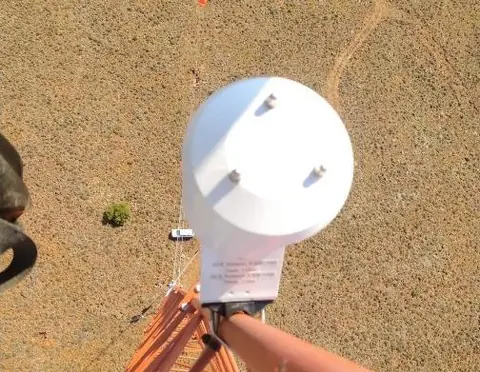
Instruments and commissioning
Sensors, logger, power, lighting and telemetry are installed and tested.
Track record
Recent met mast installations
| Site | Province | Height | Scope |
|---|---|---|---|
| Victoria West | Northern Cape | 120 m | Met mast installation with instrumentation |
| Gemsbok | — | 117 m | Met mast installation with instrumentation |
| Haartbeesfontein | North West | 117 m | Met mast installation with instrumentation |
| Volksrust (mast 1) | Mpumalanga | 120 m | Met mast installation with instrumentation |
| Volksrust (mast 2) | Mpumalanga | 120 m | Met mast installation with instrumentation |
| Vryheid | KwaZulu-Natal | 120 m | Met mast installation with instrumentation |
Through-life
Maintenance and decommissioning
Measurement data is only as good as the instruments and structure behind it. We offer scheduled maintenance every six months or once a year, depending on the environment, plus callouts when monitoring shows a fault.
- Structural and guy tension inspections
- Instrument checks, swaps and replacements
- Logger, power and telemetry checks
- Aviation light and earthing checks
- Visit records for your adviser's data review
- Decommissioning, rehabilitation or refurbishment for redeployment
From site
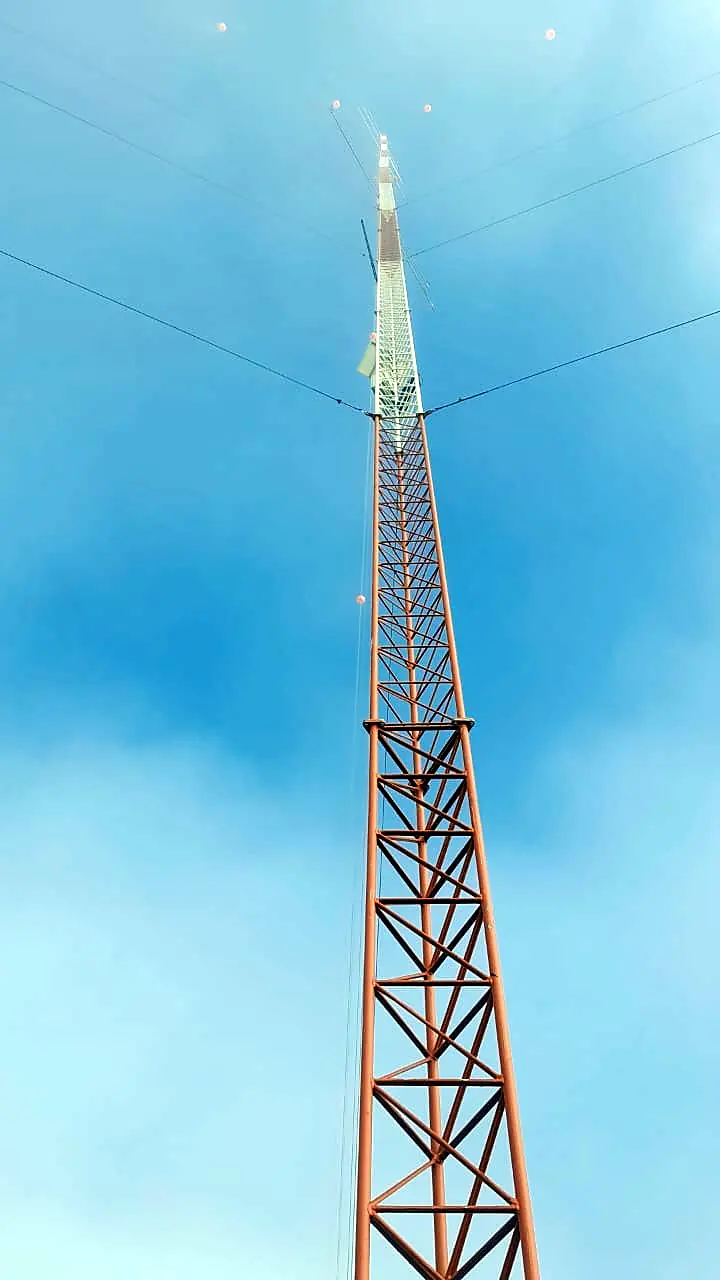
Our measurement masts
Context
Why campaign discipline matters
Resource assessment advisers and financiers look for well-documented installations, traceable instruments, consistent maintenance records and clear explanations of data gaps.
That is why we record instrument serial numbers, heights and orientations at installation, and log every maintenance visit.
Tyltar does not guarantee data availability or acceptance of a dataset by any adviser or lender. Those outcomes depend on site conditions, instrumentation, maintenance and independent review.
Information we need
What we need from you
Share what you know. Any item can be marked “not yet known” on the enquiry form.
- Site location or coordinates
- Intended mast height and type
- Instrument specification or adviser requirements
- Campaign duration
- Power and communications on site
- Access and permission status
- Target installation date
Questions
Frequently asked questions
What heights can you install?
Guyed and self-supporting met masts up to 140 m, depending on the design and the site. Our recent installations have been 117 m and 120 m.
Can you install a mast or instruments we have already bought?
Yes. As an independent installer we can install masts and instruments from other suppliers, as well as supply them.
How often should a met mast be maintained?
Typically every six months or once a year, depending on the environment, with callouts when monitoring shows a fault.
Do you carry out the resource assessment?
No. Independent analysis is performed by specialist resource advisers. We install and maintain the measurement equipment and coordinate with them.
Start a conversation
Planning a measurement campaign?
Tell us about the site and scope. We will respond with next steps and the information needed for a quotation.
Related services